MWC

Ultimate Arm Pump

A dedicated arm workout alternating between biceps and triceps exercises for maximum pump, size, and definition.

45 minintermediatehypertrophyarmsdumbbellbarbellcable
2789334

Exercises (8)

1

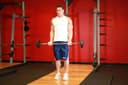
Barbell Curl

Superset with Close-Grip Bench. Strict form, no swinging.

Alt: EZ-Bar Curl, Dumbbell Curl

4 x 8-10

Rest 30 sec then move to next

Tempo 2-0-1-1

2

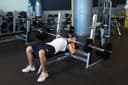
Close-Grip Bench Press

Superset with Barbell Curl. Hands shoulder-width, elbows tucked.

Alt: Machine Dip, JM Press

4 x 8-10

Rest 90 sec

Tempo 2-0-1-0

3

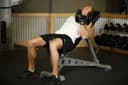
Incline Dumbbell Curl

Superset with Overhead Extension. 45-degree bench, arms hang straight.

Alt: Preacher Curl, Spider Curl

3 x 10-12

Rest 30 sec then move to next

Tempo 3-0-1-0

4

Overhead Cable Triceps Extension

Superset with Incline Curl. Face away from cable, stretch long head deep.

Alt: Skull Crusher, Overhead Dumbbell Extension

3 x 10-12

Rest 90 sec

Tempo 2-1-1-0

5

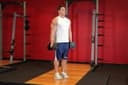
Hammer Curl

Superset with Pushdown. Neutral grip, targets brachialis.

Alt: Cross-Body Hammer Curl, Rope Hammer Curl

3 x 10-12

Rest 30 sec then move to next

Tempo 2-0-1-1

6

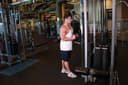
Cable Rope Pushdown

Superset with Hammer Curl. Spread rope at bottom, squeeze lateral head.

Alt: Straight Bar Pushdown, V-Bar Pushdown

3 x 12-15

Rest 90 sec

Tempo 2-0-1-1

7

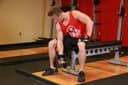
Concentration Curl

Superset with OH DB Extension. Elbow on inner thigh, strict isolation.

Alt: Machine Preacher Curl, Cable Curl

2 x 12-15 per arm

Rest 30 sec then move to next

Tempo 2-1-2-0

8

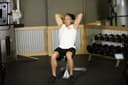
Single-Arm Overhead Dumbbell Extension

Superset with Concentration Curl. Full stretch at bottom, lockout at top.

Alt: Kickback, Bodyweight Triceps Extension

2 x 12-15 per arm

Rest 60 sec

Tempo 2-1-1-0

Advertisement

About This Workout

The Ultimate Arm Pump is a dedicated 45-minute session that systematically targets every head of the biceps and triceps through a superset-style format designed to flood the arms with blood, create massive metabolic stress, and drive hypertrophy in the muscles that are arguably the most visible and frequently displayed of any body part. While compound pressing and pulling provide substantial arm stimulation, dedicated arm training is what takes development from good to exceptional.

Understanding arm anatomy is the foundation of effective arm training. The biceps brachii is a two-headed muscle consisting of the short head, which sits on the inner arm, and the long head, which runs along the outer arm. The long head is what creates the peaked bicep look when flexed, while the short head contributes to overall arm thickness. Underneath the biceps sits the brachialis, a smaller muscle that pushes the biceps up from below and adds significant size when developed. The brachialis is best trained with neutral-grip exercises like hammer curls.

The triceps brachii is a three-headed muscle that makes up approximately two-thirds of total upper arm mass. The long head is the largest and runs along the back of the arm from the shoulder to the elbow. It is the only head that crosses the shoulder joint, which means it is best trained in the overhead position where it is fully stretched. The lateral and medial heads are both trained effectively with standard pressing and pushdown movements.

This workout uses an alternating format, training biceps and triceps back to back in supersets. This approach has several advantages: it allows one muscle to rest while the other works, which improves work capacity and time efficiency. It also creates an extraordinary pump in the entire upper arm as blood alternates between the flexors and extensors, producing the impressive swollen look that arm day is famous for.

The session opens with barbell curls paired with close-grip bench press, the two heaviest exercises for their respective muscle groups. Starting with the heaviest movements when your nervous system is freshest maximizes the mechanical tension stimulus, which is the primary driver of muscle growth. The close-grip bench press is one of the most effective triceps exercises because it allows significant loading while training all three heads simultaneously.

The second superset pairs incline dumbbell curls with overhead cable triceps extensions, both of which emphasize the stretched position of their target muscles. Training a muscle in its lengthened position has emerged as one of the most robust findings in hypertrophy research over the past several years, with studies consistently showing superior growth from exercises that load the muscle at long lengths. The incline curl stretches the long head of the biceps, while the overhead extension stretches the long head of the triceps.

The third superset uses hammer curls and cable rope pushdowns. Hammer curls target the brachialis and the brachioradialis, the prominent forearm muscle that contributes to the overall size and appearance of the arm. Cable pushdowns emphasize the lateral head of the triceps, which is the most visible head when viewed from the side and the primary contributor to the horseshoe shape that defines developed triceps.

The workout finishes with concentration curls paired with overhead dumbbell extensions, both performed with lighter weight and a strict tempo to maximize the mind-muscle connection and squeeze every last bit of work out of the arms. Concentration curls eliminate all momentum and force the biceps to work in complete isolation, while single-arm overhead extensions allow you to focus on the long head of each triceps independently.

Volume is set at a moderate level appropriate for training arms once or twice per week. If you train arms after a push or pull day that already includes significant arm work, reduce the volume in this workout by dropping one superset. If this is your only dedicated arm training of the week, perform all exercises as prescribed.

Arm growth requires patience and consistency. The arms are relatively small muscles that grow slowly compared to the legs and back. Focus on progressive overload through small weight increments and additional reps, maintain a strong mind-muscle connection on every exercise, and ensure you are eating in a caloric surplus with adequate protein to fuel the growth process.

Pro Tips

  • 01.Perform supersets with minimal rest between the biceps and triceps exercise, then take a full rest before the next superset.
  • 02.On curls, squeeze your pinky finger hardest to increase bicep activation through supination.
  • 03.Keep your elbows pinned to your sides during curls and pinned in space during pushdowns. Moving elbows shifts work to the shoulders.
  • 04.Use a weight that allows strict form. Arm exercises are small isolation movements where cheating defeats the purpose.
Advertisement

Frequently Asked Questions

How often should I train arms directly?
For most intermediate lifters, one to two dedicated arm sessions per week is sufficient, especially when you consider the indirect arm volume from pressing and pulling exercises on other training days. If your arms are a lagging body part, training them twice per week with this workout or a variation of it can help bring them up. If your arms grow easily or you already do high-volume push and pull sessions, once per week may be enough. Monitor your recovery and adjust frequency based on how your elbows and forearms feel.
Why are the exercises paired as supersets?
Supersetting biceps and triceps exercises is one of the most time-efficient and effective ways to train arms. Because the biceps and triceps are antagonist muscles that perform opposite functions, one can rest while the other works, which allows you to maintain performance across both exercises without needing full rest periods between each set. The alternating blood flow between the front and back of the arm also creates a massive pump that enhances nutrient delivery and may provide an additional hypertrophy signal through cell swelling.
My arms never seem to grow. What am I doing wrong?
The most common reasons for poor arm growth are insufficient progressive overload, too much momentum during curls, inadequate training volume, and not eating enough. First, track your weights and aim to increase the load or reps every couple of weeks. Second, slow down your tempo and eliminate all swinging and body english. Third, ensure you are accumulating at least 10-15 direct sets per week for both biceps and triceps across all your training sessions. Finally, arms will not grow if you are in a caloric deficit. Eat in a slight surplus with adequate protein to fuel the growth process.
Should I train forearms separately?
For most lifters, the grip work involved in deadlifts, rows, curls, and farmer carries provides sufficient forearm stimulation. However, if your forearms are a weak point or if you want to maximize overall arm aesthetics, adding two to three sets of wrist curls and reverse wrist curls at the end of an arm session can be beneficial. Forearms respond well to higher reps in the 15-25 range because they are endurance-oriented muscles used constantly throughout the day. Grip trainers and fat grips on pulling exercises are also effective.
Is the close-grip bench press really a triceps exercise?
Yes. EMG studies consistently show that narrowing the grip on the bench press significantly increases triceps activation relative to a standard width grip. The closer your hands are together, the more the elbow extensors must contribute to lock out the weight, and the less the chest is involved. A shoulder-width grip is sufficient to shift emphasis to the triceps. Going narrower than shoulder width is unnecessary and can cause wrist discomfort. The close-grip bench press allows you to load the triceps with far more weight than any isolation exercise, making it an essential mass builder.

Related Workouts