MWC

PPL Push Day (Chest, Shoulders & Triceps)

A comprehensive push day workout targeting chest, shoulders, and triceps for maximum hypertrophy in a Push/Pull/Legs split.

65 minintermediatehypertrophychestshouldersarmsbarbelldumbbellcablemachine
2847312

Exercises (7)

1

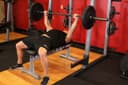
Barbell Bench Press

Retract shoulder blades, arch upper back, drive feet into floor.

Alt: Dumbbell Bench Press, Machine Chest Press

4 x 8-10

Rest 2-3 min

Tempo 2-0-1-0

2

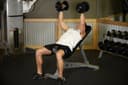
Incline Dumbbell Press

Set bench to 30-45 degrees. Lower dumbbells to chest level with a slight pause.

Alt: Incline Barbell Press, Incline Machine Press

3 x 10-12

Rest 90 sec

Tempo 2-1-1-0

3

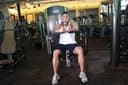
Machine Chest Fly

Squeeze hard at peak contraction for one second. Control the stretch.

Alt: Cable Crossover, Dumbbell Fly

3 x 12-15

Rest 60 sec

Tempo 2-1-2-0

4

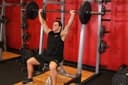
Seated Overhead Press

Use barbell or dumbbells. Press slightly in front of the head to protect shoulders.

Alt: Standing Barbell OHP, Smith Machine Shoulder Press

4 x 8-10

Rest 2 min

Tempo 2-0-1-0

5

Cable Lateral Raise

Stand beside the cable machine, raise arm to just above shoulder height.

Alt: Dumbbell Lateral Raise, Machine Lateral Raise

3 x 12-15

Rest 60 sec

Tempo 2-1-2-0

6

Cable Rope Pushdown

Spread the rope at the bottom and squeeze triceps. Keep elbows pinned.

Alt: Straight Bar Pushdown, V-Bar Pushdown

3 x 12-15

Rest 60 sec

Tempo 2-0-1-1

7

Overhead Cable Triceps Extension

Face away from cable, extend arms overhead. Feel a deep stretch on the long head.

Alt: Skull Crushers, Overhead Dumbbell Extension

3 x 12-15

Rest 60 sec

Tempo 2-1-1-0

Advertisement

About This Workout

The PPL Push Day is the cornerstone pressing session within the popular Push/Pull/Legs training split, a program structure widely regarded as one of the most effective approaches for intermediate lifters seeking hypertrophy. This workout places all of your major pressing muscles under concentrated volume in a single session, allowing for both heavy compound work and targeted isolation movements.

The session opens with the flat barbell bench press, universally recognized as the king of upper-body pressing exercises. By placing it first, you attack your chest when you are freshest and can handle the most load. Progressive overload on this lift alone can drive years of chest development. From there, the workout transitions into an incline dumbbell press, which shifts emphasis toward the clavicular head of the pectorals and the anterior deltoids. Using dumbbells here forces each side to work independently, helping correct any strength imbalances that barbell work can mask.

After the two heavy compound presses, you move into a machine-based chest fly to isolate the pecs through a full stretch-to-contraction range of motion without the stabilization demands of free weights. This is your opportunity to slow down the tempo, focus on the mind-muscle connection, and accumulate metabolic stress in the chest fibers.

The shoulder portion of the workout centers on the seated overhead press, a movement that loads the medial and anterior deltoids as well as the upper traps and triceps. Following that, lateral raises performed on cables provide constant tension through the entire range of motion, which free-weight laterals cannot match at the bottom of the rep. This is a key exercise for developing the rounded, capped-shoulder look that defines an impressive physique.

Triceps receive dedicated attention at the end of the session. Cable pushdowns with a rope attachment target the lateral and medial heads of the triceps, while overhead cable extensions shift the emphasis to the long head, the largest portion of the triceps that runs along the back of the arm. Training the long head in a stretched position has been shown in recent research to be especially effective for muscle growth.

Volume is set at a moderate level suitable for running this workout twice per week within a six-day PPL rotation. If you are running a three-day version, you may add one to two extra sets per exercise. Rest periods are kept relatively short for isolation work and slightly longer for heavy compounds to balance hypertrophy stimulus with adequate recovery between sets.

Progression should focus on adding small amounts of weight to the barbell and dumbbell compounds week over week while keeping rep ranges consistent. For isolation exercises, prioritize improving the quality of each rep, pausing at peak contraction, and controlling the eccentric before worrying about load increases. A training log is essential for tracking these progressions over time.

This push day pairs naturally with the PPL Pull Day and PPL Leg Day in this collection. Running all three in sequence creates a well-balanced training week that covers every major muscle group with appropriate volume and frequency for growth.

Pro Tips

  • 01.Warm up with 2-3 progressively heavier sets on the bench press before your working sets.
  • 02.Keep shoulder blades retracted and depressed on all pressing movements to protect the shoulder joint.
  • 03.On isolation exercises, use a controlled tempo and prioritize the mind-muscle connection over heavy loads.
  • 04.If your shoulders fatigue before your chest on presses, pre-exhaust with flys before moving to bench.
  • 05.Track your bench press numbers weekly and aim to add 2.5 kg every one to two weeks.
Advertisement

Frequently Asked Questions

How often should I do this push workout per week?
In a standard six-day PPL split you would perform this push workout twice per week, separated by at least two days. This gives each muscle group roughly 48-72 hours of recovery before being trained again, which research suggests is optimal for hypertrophy. If you are running a three-day PPL cycle, once per week is sufficient but you may want to add a couple of extra sets per exercise to compensate for the lower frequency.
Can I substitute the barbell bench press with dumbbells?
Absolutely. Dumbbell bench press is an excellent alternative that offers a greater range of motion and forces each arm to stabilize independently. The trade-off is that you typically cannot load dumbbells as heavily as a barbell, so total mechanical tension may be slightly lower. Many lifters alternate between barbell and dumbbell pressing across training cycles to get the benefits of both variations.
Why are triceps exercises placed at the end of the workout?
Triceps are heavily involved in all pressing movements for chest and shoulders, so they receive significant indirect volume throughout the session. Placing dedicated triceps isolation work at the end ensures your pressing performance is not compromised by pre-fatigued triceps. By the time you reach pushdowns and overhead extensions, your triceps need relatively little additional volume to reach their growth threshold for the session.
Should I go to failure on every set?
No. For compound lifts like bench press and overhead press, stop one to two reps short of failure (RPE 8-9) to maintain good form and avoid excessive fatigue that impairs subsequent sets. On isolation exercises like flys, lateral raises, and pushdowns, you can push closer to failure or even reach it on the final set since the risk of injury is lower and the systemic fatigue is minimal. Periodically testing true failure helps calibrate your RPE perception.
What weight should I start with on the bench press?
Start with a weight that allows you to complete all prescribed reps with good form while leaving about two reps in reserve. For most intermediate male lifters, this is roughly 60-75 percent of your one-rep max. If you are unsure, begin with a conservative load and increase by 2.5 kg each session until you find the right working weight. The first two weeks of any new program should be treated as a calibration phase rather than an all-out effort phase.

Related Workouts