About This Workout
The Chest Definition Workout is a dedicated session designed to develop every region of the pectoralis major through a strategic combination of flat, incline, and decline pressing combined with isolation movements that maximize the stretch and contraction of the chest fibers. While compound pressing builds the foundation of chest mass, the isolation work and varied angles in this workout are what create the detailed, three-dimensional chest development that distinguishes a well-trained physique.
Understanding chest anatomy is essential for designing an effective chest workout. The pectoralis major is a fan-shaped muscle with two primary regions: the clavicular head, commonly called the upper chest, which originates from the collarbone, and the sternal head, which originates from the sternum and makes up the larger lower and middle portion of the chest. The clavicular head is best targeted with incline pressing movements, while the sternal head responds to flat and slight decline angles. Both heads are maximally stretched during fly movements where the arms are abducted away from the body.
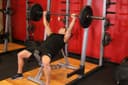
The workout begins with the incline barbell bench press, placed first because the upper chest is the most commonly underdeveloped region and benefits from being trained when you are freshest. A 30-degree bench angle is ideal. Steeper angles shift too much work to the front delts. Focus on lowering the bar to the upper chest just below the collarbones and pressing in a slight arc back to the starting position.
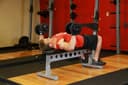
The flat dumbbell bench press follows as the primary mass builder for the sternal head. Dumbbells offer several advantages over a barbell for hypertrophy: a greater range of motion at the bottom of the press, a more natural arc of movement, and the requirement for each arm to stabilize independently. Lower the dumbbells until you feel a deep stretch across the chest, then press up while squeezing the pecs together at the top.
The machine decline press targets the lower chest from an angle that many lifters neglect. The decline angle places the sternal fibers in their strongest mechanical position, allowing you to handle relatively heavy loads. Using a machine eliminates the setup difficulties and safety concerns of barbell decline pressing and lets you focus entirely on the contraction. Push through the full range of motion and squeeze at lockout.
Cable flys from a high pulley angle are the primary isolation movement, providing constant tension throughout the entire range of motion that dumbbell flys cannot match. The high-to-low cable path specifically targets the lower and inner chest, creating the defined separation that gives the chest a finished, detailed look. Cross your hands slightly at the bottom of each rep and hold the contraction for a full second.
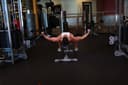
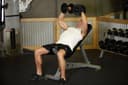
Incline dumbbell flys target the upper chest in its stretched position. Training the muscle in a lengthened position has been shown in multiple studies to produce superior hypertrophy compared to training only in shortened positions. Use a moderate weight that allows you to achieve a deep stretch at the bottom without losing control, and bring the dumbbells together at the top while squeezing the upper pecs.
Dips are included as a compound finisher that loads the lower chest and triceps with bodyweight or added resistance. Lean your torso forward to emphasize the chest over the triceps, and lower until you feel a stretch across the pecs before pressing back up. If weighted dips are too challenging by this point in the workout, use an assisted dip machine or perform bodyweight dips to failure.
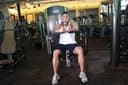
The session concludes with the pec deck machine, a pure isolation exercise that allows you to focus entirely on the chest contraction without any triceps or shoulder involvement. The fixed path of the machine ensures the pecs do all the work. Use a controlled tempo with a two-second squeeze at peak contraction on every rep. Drop sets on the final set are an effective way to completely exhaust the remaining muscle fibers.
This workout produces significant mechanical tension and metabolic stress in the pecs, so adequate recovery is essential. Allow at least 48 hours before training chest again, and ensure your post-workout nutrition includes sufficient protein and carbohydrates to support repair and growth. The chest typically recovers faster than the back or legs, but overtraining the chest by pressing too frequently is a common mistake that leads to shoulder problems and stalled progress.