MWC

Lower Body Hypertrophy

A hypertrophy-focused lower body workout using moderate loads and higher reps to maximize muscle growth in quads, hamstrings, and glutes.

65 minintermediatehypertrophylegsglutesbarbelldumbbellmachinecable
1987198

Exercises (7)

1

Hack Squat

Feet shoulder-width, low on platform. Full depth, drive through quads.

Alt: Barbell Back Squat, Pendulum Squat

4 x 10-12

Rest 2 min

Tempo 3-0-1-0

2

Bulgarian Split Squat

Rear foot on bench. Lean torso slightly forward for glute emphasis.

Alt: Reverse Lunge, Step-Up

3 x 10-12 per leg

Rest 90 sec per side

Tempo 2-1-1-0

3

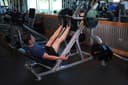
Leg Press

Slow 3-second eccentric. Feet low and shoulder-width for quad focus.

Alt: Smith Machine Squat, Belt Squat

3 x 12-15

Rest 2 min

Tempo 3-0-1-0

4

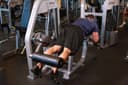
Lying Leg Curl

Full range of motion. Squeeze at the top, control the negative.

Alt: Seated Leg Curl, Swiss Ball Leg Curl

4 x 10-12

Rest 60 sec

Tempo 2-1-1-0

5

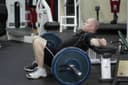
Barbell Hip Thrust

Pad the bar. Drive through heels, squeeze glutes at the top for 1 second.

Alt: Cable Pull-Through, Glute Bridge

4 x 10-12

Rest 90 sec

Tempo 2-1-1-0

6

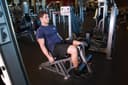
Leg Extension

Quad finisher. Use drop sets on the last set for extra stimulus.

Alt: Sissy Squat, Wall Sit

3 x 15-20

Rest 60 sec

Tempo 2-1-2-0

7

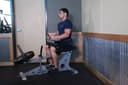
Seated Calf Raise

Full stretch at bottom, hard squeeze at top. Slow and controlled.

Alt: Standing Calf Raise, Donkey Calf Raise

4 x 15-20

Rest 60 sec

Tempo 2-2-1-0

Advertisement

About This Workout

The Lower Body Hypertrophy workout is specifically designed to maximize muscle growth in the quadriceps, hamstrings, glutes, and calves through a combination of moderate loads, controlled tempos, and higher repetition ranges. While the PPL Leg Day balances strength and size, this session leans entirely into the hypertrophy end of the spectrum, making it ideal for an upper/lower split or as a second leg day within a PPL rotation when size is the priority.

The session opens with the hack squat, a machine-based compound that removes the spinal loading of barbell squats while allowing you to focus entirely on driving through the quads. The hack squat machine fixes your back angle, which means you can push closer to failure without worrying about your torso collapsing or your lower back rounding. This makes it a superior choice when the goal is quad hypertrophy rather than overall strength development.

Bulgarian split squats follow as a unilateral movement that hammers the quads and glutes while challenging balance and stability. The rear foot elevated position increases the range of motion at the hip and knee compared to standard lunges, which amplifies the stretch on the working leg. This exercise also reveals and corrects any left-to-right strength imbalances that bilateral movements can mask. The higher rep range of ten to twelve per leg ensures ample time under tension for each limb.

The leg press is programmed with higher reps and a focus on the eccentric phase. Slowing the lowering portion of each rep to three seconds increases the time the quads spend under mechanical tension, which is a primary driver of muscle protein synthesis. Use a foot position in the lower half of the platform with a shoulder-width stance to maximize quadricep involvement.

Lying leg curls target the hamstrings through knee flexion in isolation. This is an important complement to hip-hinge movements like Romanian deadlifts because the hamstrings cross both the hip and the knee, and both functions must be trained for complete development. Use a tempo that emphasizes the stretch at the bottom and a hard squeeze at the top. Partial reps at the end of a set can be an effective intensity technique here.

The hip thrust has become one of the most popular glute exercises in recent years, and for good reason. Research by Bret Contreras and colleagues has demonstrated that hip thrusts produce higher glute activation than squats or deadlifts. The movement trains hip extension against resistance with the knees bent, which specifically targets the gluteus maximus. Drive through your heels and squeeze at the top for a full second on every rep.

Leg extensions serve as a finisher for the quads, allowing you to accumulate additional volume without loading the spine or fatiguing the stabilizer muscles. The constant tension profile of the machine means the quads are working throughout the entire range of motion. Use drop sets on the final set to completely exhaust the remaining muscle fibers.

Seated calf raises close the session. The seated position places the knee in a bent position which shifts emphasis to the soleus, the deeper calf muscle that contributes significantly to overall calf size. Train with a full range of motion, pausing at the bottom stretch and squeezing hard at the top.

This workout produces significant metabolic stress and muscle damage, so recovery nutrition is critical. Consume a meal with adequate protein and carbohydrates within two hours of completing the session. Expect significant muscle soreness for 24-48 hours after the workout, especially if you are new to this volume of lower body training. Soreness will decrease as your body adapts over the first two to three weeks.

Pair this workout with the Upper Body Strength session for a balanced upper/lower split, or use it as a second leg day in an extended PPL rotation focused on lower body growth.

Pro Tips

  • 01.Use a slow eccentric tempo on all exercises to increase time under tension and maximize the hypertrophy stimulus.
  • 02.On the hack squat, experiment with foot width and position to find what gives you the best quad stretch and contraction.
  • 03.Keep rest periods strict. Hypertrophy training benefits from incomplete recovery between sets to increase metabolic stress.
  • 04.Foam roll your quads, hamstrings, and glutes after the session to reduce soreness and promote recovery.
  • 05.Consume 30-50 grams of protein within two hours of finishing this workout to support muscle repair.
Advertisement

Frequently Asked Questions

Why does this workout use the hack squat instead of barbell squats?
The hack squat removes the spinal loading and stabilization demands of a barbell squat, allowing you to focus entirely on driving through your quads and pushing closer to true muscular failure. In a hypertrophy-focused session, the ability to reach failure safely is more important than the total body involvement of a free-weight squat. If your gym does not have a hack squat machine, substitute barbell back squats or a Smith machine squat.
How is this different from the PPL Leg Day?
The PPL Leg Day is a balanced lower body session that includes heavier compound work like barbell squats and Romanian deadlifts in lower rep ranges, blending strength and hypertrophy goals. This Lower Body Hypertrophy workout uses higher rep ranges, slower tempos, shorter rest periods, and more machine-based exercises to maximize time under tension and metabolic stress, which are the primary drivers of muscle growth. Think of the PPL Leg Day as building strength and size together, while this workout focuses purely on size.
Can beginners do this workout?
This workout is best suited for intermediate lifters who have at least six months of consistent training experience. Beginners may find the volume and exercise variety overwhelming, and they would benefit more from a simpler program with fewer exercises and a focus on learning movement patterns. If you are a beginner, start with the Full Body Beginner Workout in this collection and graduate to this session once you are comfortable with all the basic movement patterns.
Should I train legs twice a week for maximum growth?
Training legs twice per week is supported by research as a superior frequency for hypertrophy compared to once per week, provided that total weekly volume is equalized or slightly increased. A practical approach is to perform one strength-oriented leg day with heavier loads and lower reps, and one hypertrophy-oriented leg day like this workout with moderate loads and higher reps. This gives your legs both types of stimulus while allowing adequate recovery between sessions.
My knees hurt during leg extensions. What should I do?
Knee discomfort during leg extensions is not uncommon and can often be resolved by adjusting the machine setup. Make sure the pivot point of the machine aligns with the center of your knee joint, and avoid locking out forcefully at the top of the movement. Reducing the weight and using a slower, more controlled tempo can also help. If pain persists, replace leg extensions with sissy squats, Spanish squats with a resistance band, or short-arc quad extensions that use a limited, pain-free range of motion. Consult a physiotherapist if the issue continues.

Related Workouts