Hug A Ball
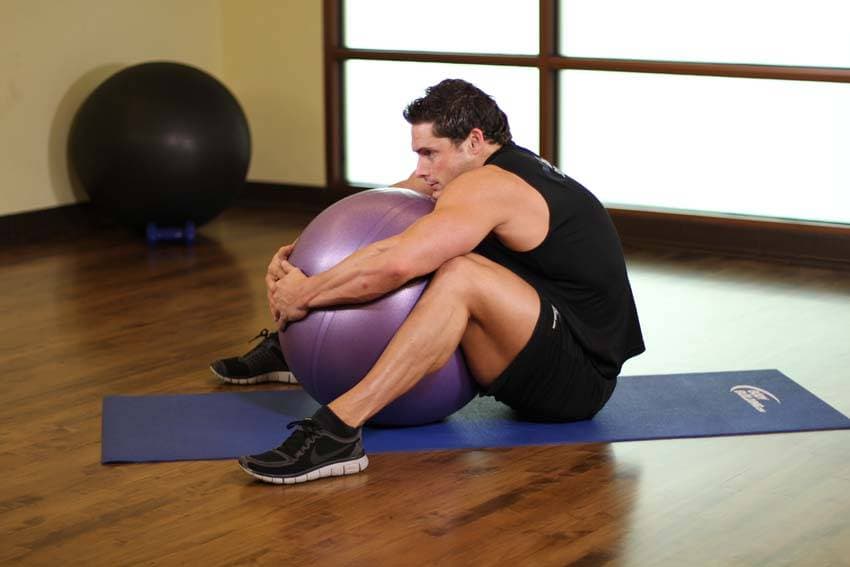
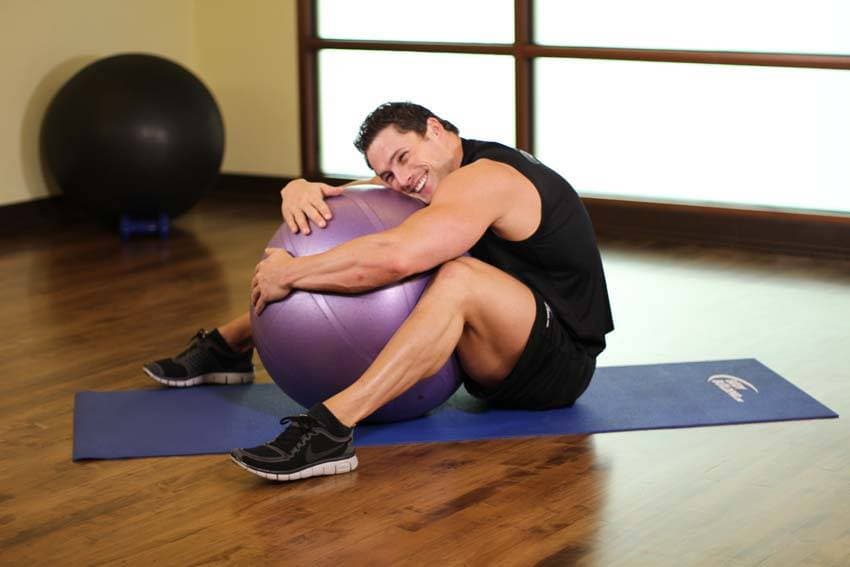
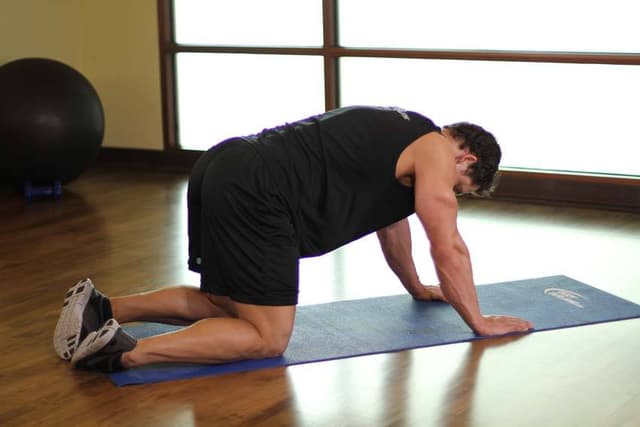
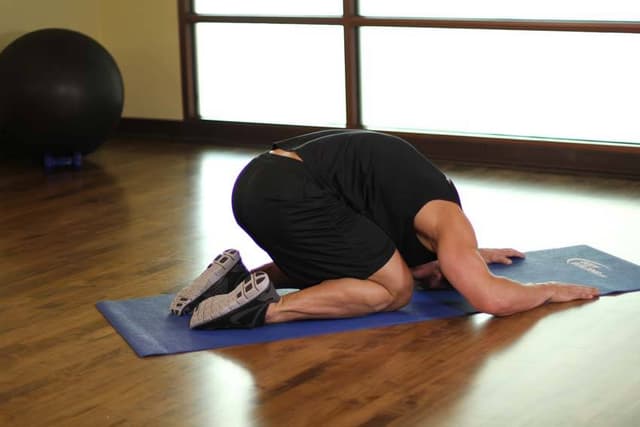
How to do the Hug A Ball
- 1
Seat yourself on the floor.
- 2
Straddle an exercise ball between both legs and lower your hips down toward the floor.
- 3
Hug your arms around the ball to support your body. Adjust your legs so that your feet are flat on the floor and your knees line up over your ankles. Keep a good grip on the ball so it doesn't roll away from you and send you back onto your buttocks.
How to program the Hug A Ball
Sets and reps
As an isolation movement, the Hug A Ball is best trained with moderate loads and higher reps: 2–4 sets of 10–15 reps with 60–90 seconds of rest. Chasing heavy weight on isolation work usually degrades form before it builds muscle — prioritize a full range of motion and a controlled negative. Program it after your compound lifts.
Progression
The Hug A Ball is beginner-friendly. Start with a load (or rep count) you can complete with clean form on every set, then add a small amount of weight or 1–2 reps each week. When you hit the top of your rep range on all sets, increase the load and drop back to the bottom of the range — simple double progression.
Secondary muscles worked
Put the Hug A Ball into a plan
Generate a free, personalized workout plan that programs this and hundreds of other exercises around your goals.
Not sure how much to do? Check your weekly sets with the volume calculator.
Frequently asked questions
What muscles does the Hug A Ball work?
The Hug A Ball primarily targets the Lower Back. It also recruits the Calves, Glutes as supporting muscles.
What equipment do I need for the Hug A Ball?
You need Exercise Ball. Difficulty level: Beginner.
How many sets and reps of the Hug A Ball should I do?
Do 2–4 sets of 10–15 reps with 60–90 seconds rest, focusing on a full range of motion and controlled tempo rather than maximum load.